

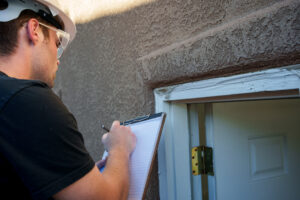
There is excitement in beginning the process of buying a property, along with the anticipation of finding the right investment. Along with the excitement, however, comes the responsibility of avoiding potential pitfalls on the road to homeownership, especially with the property’s exterior.
As a homebuyer, investor, or property manager, you should look closely at key exterior details right from the beginning. By looking beyond curb appeal, you can help protect your investment from becoming a costly mistake. A thorough inspection can help you spot red flags, including water damage, foundation problems, and unexpected repairs.
Vital Exterior Property Inspections
- Curb Appeal: First impressions count. An attractive exterior does more than make a property appealing; it also helps maintain property value and signals proper upkeep.
- Structural Integrity: Inspect the foundation, walls, and roof of the property closely for signs of damage. Problems such as cracks, water intrusion, or uneven settling can signal larger issues. For a detailed assessment, consider bringing in a professional home inspector.
- Exterior Maintenance: Windows and doors are critical for protecting your property. Make sure they’re properly sealed and maintained to prevent water damage, drafts, and energy loss. Routine upkeep helps preserve your investment and property condition.
- Landscaping: Good landscaping design enhances the appearance and functionality of a property. A yard that is healthy and low-maintenance can improve curb appeal and add value.
- Outdoor Spaces: Size up the shape and usability of patios, decks, and other outdoor areas. For these spaces to add real value to the property, they need to be safe, well-maintained, and functional.
- Security Measures: Exterior lighting, secure doors, and visible house numbers contribute to a safer property. Evaluate these features and fix any vulnerabilities to enhance security and peace of mind.
- Utility Systems: The condition and functionality of exterior utility systems such as HVAC units, plumbing, and electrical connections deserve a check. Proper maintenance helps avoid costly repairs and ensures comfort.
- Environmental Factors: Take into account how the property could be affected by weather, drainage, and local environmental risks. Planning proactively and inspecting regularly can help prevent damage from severe weather or other environmental challenges.
Ultimately, there is more to investing in real estate than appearance. Hidden issues that could become costly later can be avoided by keeping the exterior in good condition. You can protect your investment and make more informed decisions by taking these key exterior inspections into account. To get the best results, bring in a qualified home inspector and an experienced real estate professional as partners. Spending time on a comprehensive inspection now can help you dodge significant costs later on.
For more information on maximizing your real estate investment, contact our team of qualified property management professionals at Real Property Management Collaborations for expert guidance on property inspections and management.
This content is provided for general informational and educational purposes only and does not constitute financial, legal, tax, or investment advice. Readers should consult with licensed professionals regarding their specific circumstances.
We are pledged to the letter and spirit of U.S. policy for the achievement of equal housing opportunity throughout the Nation. See Equal Housing Opportunity Statement for more information.
